TMS Therapy
Transcranial Magnetic Stimulation
An FDA-cleared, non-invasive therapy using gentle magnetic pulses to stimulate targeted areas of the brain involved in mood regulation, motivation, focus, and emotional balance.
What Is TMS?
Stimulating the Brain's Natural Pathways
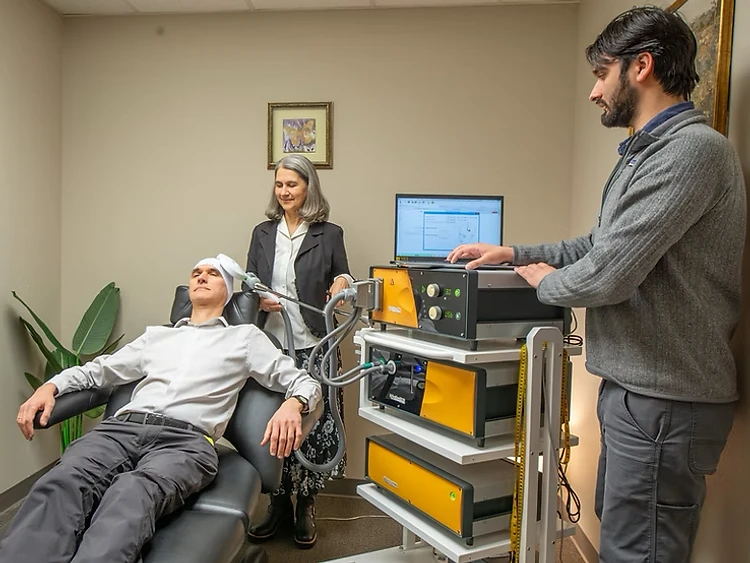
Transcranial Magnetic Stimulation (TMS) is an FDA-cleared therapy and a non-invasive treatment. It uses gentle magnetic pulses to stimulate targeted areas of the brain involved in mood regulation, motivation, focus, and emotional balance.
In depression and various other mood conditions, certain brain networks become underactive or dysregulated. This therapy helps reactivate these pathways and improve communication between regions of the brain. Unlike medication, it works directly on neural circuits without circulating through the bloodstream or affecting the entire body.
Exploring TMS therapy near Seattle? Learn more about treatment options for Seattle-area patients at our Gig Harbor clinic.
FDA-Approved Uses
- Treatment-resistant depression
- Obsessive-Compulsive Disorder (OCD)
- Smoking cessation
Off-Label Applications
- Autism
- ADHD
- PTSD
- Anxiety
- Migraines
- Cognitive impairment
- Bipolar disorder
- Other mental health and neurological conditions
What to Expect
Your TMS Treatment Journey

Consultation & Candidacy
Your treatment begins with a detailed psychiatric consultation and candidacy assessment. If TMS is recommended, our care team creates a personalized plan based on your symptoms, history, and clinical goals.
Brain Mapping & Calibration
Before your first treatment, precise brain mapping determines the optimal target area and magnetic pulse intensity for your individual needs.
Treatment Sessions
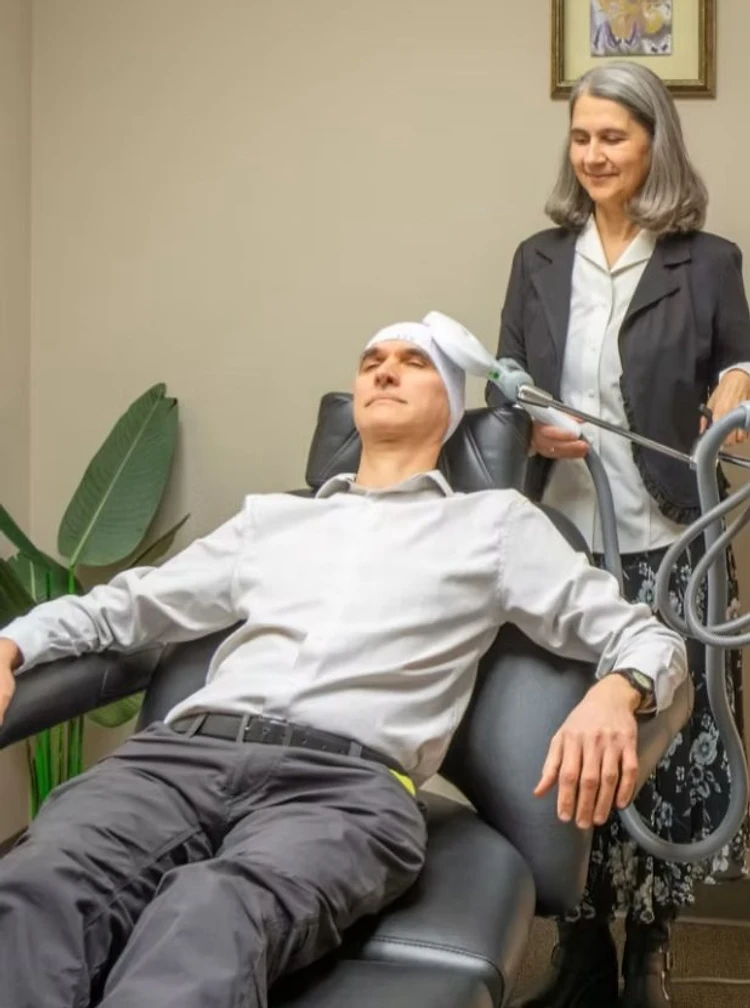
Sessions are brief and comfortable. Because no sedation is used, patients are typically able to drive themselves to and from appointments and return to normal activities afterward.
Ongoing Monitoring
Treatment can be adjusted based on your response. For depression, sessions are typically five times per week for six weeks, followed by a four-week taper.
Potential Benefits
Meaningful Improvements with Minimal Disruption
Individual results vary. TMS is not a guarantee of specific outcomes.
Side Effects
The therapy is generally well tolerated, and most side effects are mild and temporary. Your provider will review your mental health history to determine whether TMS is appropriate for you.
- Scalp discomfort
- Mild headache
- Temporary facial muscle twitching
- Serious side effects are uncommon
Who May Not Be a Candidate
TMS may not be appropriate for everyone. The following may affect candidacy:
- Certain metal or electronic implants in or near the head
- History of certain seizure disorders
- Specific neurological or mental health conditions
- When another treatment would better address your current needs
Insurance & Payment
Understanding Your Options
TMS for Depression
30–36 sessions depending on insurance approval. $8,500 for 36 sessions for out-of-network and self-pay clients. Review your copay and deductible obligations prior to booking.
TMS Off-Label (Short Course)
Choose 5 sessions ($1,200) or 10 sessions ($2,400) for Autism, Bipolar, PTSD, ADHD, anxiety, migraines, and other conditions. Membership plans offer discounted rates.
TMS FAQ
Common Questions About TMS
Is TMS Right for You?
Request a consultation to discuss your symptoms and determine whether TMS therapy may be an appropriate part of your treatment plan.